
Uncategorized

  • Interesting Mid Century Furniture

    mid century modern furniture restoration

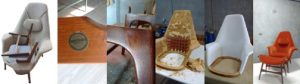
    When clients show us furniture that is in need of restoration we sometimes come across some very interesting furniture pieces. This mid century chair and footstool manufactured by Westnofa Furniture Company, is one such piece.

    Westnofa furniture is one of the great success stories of the Norwegian furniture industry. The name was derived from the combination of WEST NOrway FActories and was formed in the late 1950’s by a collaboration of the country’s leading furniture manufacturers. The goal was to combine forces to market and export locally produced furniture.

    This mid-century chair and footstool were in a dilapidated condition when received at the factory for rejuvenating. The furniture frames that were still assembled were carefully knocked apart, the joints were cleaned up and the pieces individually sanded before being re-assembled with the fractured components using a two-pack resin. The wood frames were then lightly sanded, stained light walnut, received three coats of lacquer between sanding and then finished off with a rub down using super fine steel wool.

    The chair and footstool plywood shells were stripped of the old latex rubber which had perished and were laminated with premium polyurethane foam. The upholstery fabric selected by the clients was a luxurious quilted velvet. This was precisely cut and sewn using old patterns and intuition. The reupholstering process involved exceptional skill including delicate slip-stitching.

    The result of this intensive labour and delicate work by a master upholsterer is a beautifully recovered mid century chair and footstool that will be loved by future Western Australian generations.
  • Reupholstery of Late 19th to Mid 20th Century Classic Australian Furniture

    mid century chair upholstery

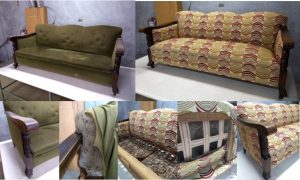
    This classic mid century three seater couch was manufactured in 1948 by Hicks Furniture in Kalgoorlie Western Australia. Some classic furniture was made in major WA regional centres from the late-19th century through to the mid-20th century. This was due to the problems associated with long distance transport of bulky fragile items and the fact that many skilled trades people from all walks of life migrated to these areas during the preceding gold rushes. However the other important factor is that the demand existed during this time frame for quality upholstered furniture.

    This midcentury couch was purchased by its current owner who is now 93 years of age when he was married at the age of 24, as a present for his wife. It is interesting to note that it was re-upholstered in the 1970’s. The original sprung edge was replaced with timber rails. The initial upholstery fabric was a tapestry and it was re-upholstered in an olive velvet. Unfortunately the furniture repair of this piece wasn’t detailed. It was limited to only replacing a sprung edge with timber and placing the new fabric over the old sandwiched with a layer of foam.

    We stripped the existing upholstery back to the frame then carefully knocked the joints apart, glued then clamped and screwed the frame where necessary. Our client wanted to retain the history of this mid century sofa so we simply cleaned up the show-wood timber. We also touched up the chips with an oak stain and then used a quality furniture polish to bring back the shine. The frame was then webbed and re-sprung mainly using traditional upholstery methods with an art-deco upholstery fabric. The result is that a classic Australian made couch has been given a new lease of life for future generations to enjoy.

    Call us Today to Have Your Mid Century Furniture Beautifully Restored
  • Why do modern sprung cushions have problems?

    cushion upholstery Perth

    What are contemporary sprung cushions?

    Contemporary sprung cushions have been marketed over the last decade as a superior concept however there are major issues regarding the effectiveness of using ‘spring pockets’ in the fabrication of seat cushion inserts.

    How are traditional spring cushions different to modern spring cushions?

    Traditional sprung cushions were constructed using mid-gauge coil springs and hand sewn into a hessian case then encased with flock and fitted into a box piped seat cushion with sewing usually finished by hand stitching. Seat cushions constructed this way tend to stand the test of time as is evident by cushions still used in antique furniture.

    However the fabrication of modern sprung cushion inserts utilise light-gauge coil springs encased in a series of thin polyester pockets which are normally referred to as ‘spring pockets’. These spring pockets are placed in the centre of the cushion inserts and sandwiched with polyurethane foam then usually encased with polyester fibre. With moderate to heavy use the spring pockets tend to distort with the springs often fracturing the casings. The result is a distorted and uncomfortable seat cushion and maybe a costly repair bill outside the warranty period.

    What about the option of premium quality foam cushions?

    The sales personnel promoting the “advantages” of sprung cushions usually infer by definition that the base is also sprung but most sprung cushions are on bases fitted with elastic webbing. The truth is that there is nothing wrong with a settee base correctly fitted with high quality elastic webbing. However a superior cushion insert can be effectively achieved by simply using premium quality polyurethane foam encased in polyester fibre and no spring pockets!

    Call Us To Help You With the Cushions on Your Furniture
